


One of my major pet peeves is seeing someone cook while wearing jewellery.
Why anyone would (for example) mix ingredients with their hands, without first removing their rings, is totally beyond me! Your jewellery may be beautiful, but the microscopic germs lurking on and under its surfaces could put you out of action for days!
So before you startcooking, remove the BLING!
It should go without saying, but it’s really essential that the rules of good hygiene must be closely followed in the kitchen.
The germs that can cause food poisoning are usually controlled by heating (cooking) and/or chilling (refrigerating) our food, but given half a chance, they can easily spread around the kitchen — via hands, chopping boards, cloths, knives and other utensils.
Here Are some Basic Hygiene Rules You Should Follow in the Kitchen
Rule 1: Clean kitchen surfaces after every stage of preparing your recipe. Try to ‘clean as you go’. This may sound a little obsessive, but it’s not.
Raw meat, poultry, fish, eggs and many other raw foods are the most common sources of germs, but they can easily cross-contaminate other foods. After handling these foods, always wash your hands, utensils and surfaces thoroughly before you touch anything else.

Rule 2. One important way of stopping cross-infection is to make sure that you always use a different chopping-board for your raw meat and everything else. If you keep one for raw meat and fish, and another for all your other chopping, you will be making a major contribution to your health and kitchen safety.
Rule 3. After use, wash all your dishes and utensils with hot water and dish washing liquid. (Don’t just run them under the water faucet!) Change the water regularly, then rinse in clean, hot water. When possible, leave every thing to drain until dry.
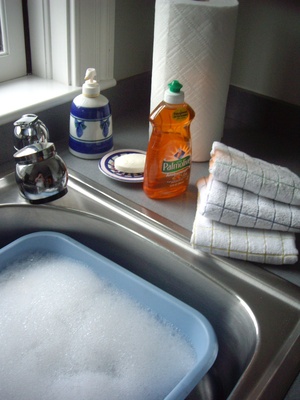
Rule 4. Use paper towels whenever possible, if you can afford to buy them. Dish towels can be a source of cross-contamination so use them sparingly and change them regularly. Be sure to wash them in a hot-wash cycle.
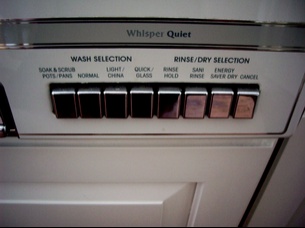
Rule 5: Use the “sani-rinse” cycle on your dishwasher if anyone in your household has a cold or the flu. This is a REALLY hot cycle that totally annihilates germs and bacteria.
This is a good start on Kitchen Hygiene. What’s next on the Kitchen Hygiene list?
If you are new to startcooking, or are a regular visitor here, please consider subscribing for free.
 (Most people are shocked when they actually see how small my kitchen is!)






Shaula Evans said:
Kathy, you’re going to laugh at my question I know, but…are there are special hygeine considerations for cooking with eggs, disposing of egg shells, etc., beyond what you’ve already discussed in earlier egg posts?
I was never a big egg eater, but now I cook them for my husband…and I’m afraid I’m “doing it wrong.” (So I also especially appreciate all of your posts about eggs.)